Cape Town Travel
25 Best Things to Do in Cape Town: A Local Guide for 2026–2027
Explore 25 of the best things to do in Cape Town—from Table Mountain and penguins to beaches, cultural sites and wine country—with practical local advice for first-time visitors.
Cape Town offers an unusual combination for one city: mountains, Atlantic beaches, a penguin colony, historic neighbourhoods, gardens, art, food and vineyards within reach of the same hotel. But a list of attractions is not a workable itinerary. The best things to do in Cape Town depend on your travel days, the weather, where you stay and how much time you want to spend in a vehicle.
Quick answer for first-time visitors: Prioritise Table Mountain, Cape Point and the Cape Peninsula, Boulders Beach penguins, the V&A Waterfront, Bo-Kaap, Kirstenbosch and one Cape Winelands experience. Add Robben Island if its history interests you and you can secure a weather-dependent ferry departure. With only three days, choose your favourites rather than trying to do all of them.
This locally informed guide covers 25 worthwhile experiences, free and paid choices, what works for families and couples, indoor alternatives, and realistic one-, three- and five-day Cape Town itineraries. It is written from the perspective of planning journeys in the Cape by Donovan Shaw, a registered Western Cape Tourist Guide (WC 10472), not as a promise that every attraction is supplied or operated by Along the Shaws.
What Are the Best Things to Do in Cape Town? Start Here
For most visitors, the highest-value experiences are a clear Table Mountain visit, a full Cape Peninsula day with penguins, time around the Waterfront and Bo-Kaap, and a wine-country day if you enjoy food and vineyards. The trap is treating all five as stops you can tick off in one day.
| Experience | Typical time to allow | Best for | Planning reality |
|---|---|---|---|
| Table Mountain Cableway | 2–4 hours including access and queues | First-timers and views | Weather dependent; keep the day flexible. |
| Cape Point + Boulders penguins | Full day | Scenery, wildlife, families | A long Peninsula outing; do not squeeze into two hours. |
| V&A Waterfront + Aquarium | Half day to full day | Families, food, museums | Some attractions need separate tickets. |
| Bo-Kaap + central Cape Town | 2–4 hours | Culture, heritage, photography | Be considerate: this is a lived-in neighbourhood. |
| Kirstenbosch Gardens | 2–3 hours | Botany, relaxed walks, families | Walks vary in accessibility and weather exposure. |
| Robben Island Museum | Half day plus buffer | South African history | Ferry and tour operate independently; weather can disrupt plans. |
| Stellenbosch or Franschhoek Winelands | Full day | Wine, food, scenery | Choose private touring, a supplier-run tram or a designated driver. |
Short on time? See our more detailed 3-day Cape Town itinerary. Want to get off the usual circuit? Read Hidden Gems in Cape Town—this article covers the broad essentials instead of competing for that more specific search.
10 Essential Cape Town Attractions for First-Time Visitors
1. Take the Table Mountain Cableway for the City's Signature View
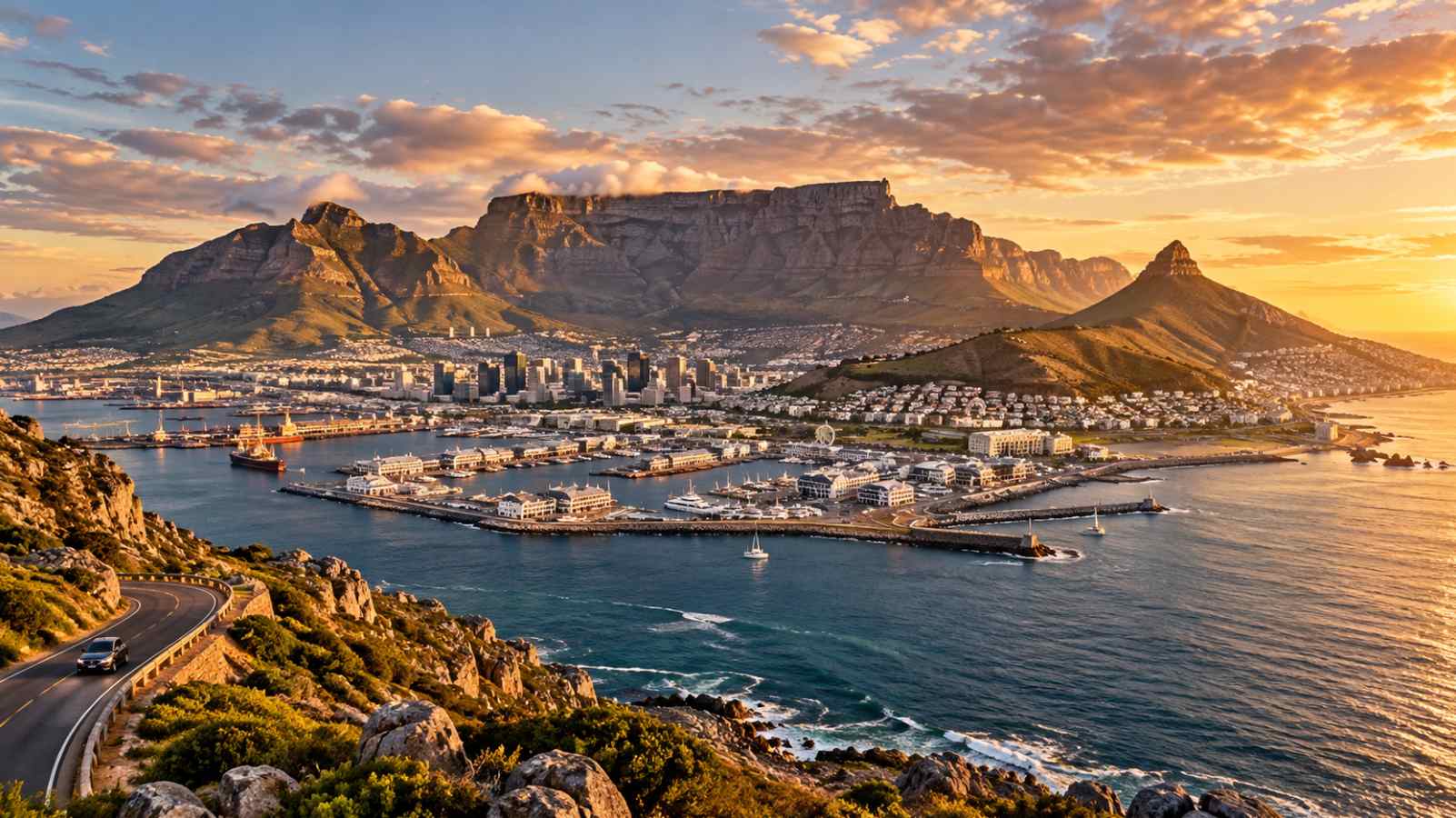
Table Mountain is the natural starting point for understanding Cape Town's geography. From the summit you can orient yourself to the City Bowl, Table Bay and the Atlantic Seaboard. Allow time for the drive or transfer to the Lower Cable Station, ticket queues, the cable-car ride and a gentle summit walk.
Local planning note: Visit on a clear-weather opportunity early in your stay; don't lock the mountain into your final morning. The cableway can close for wind or poor conditions. A guided Table Mountain hike is a different, physically demanding experience and should not be treated as the easy cableway option.
Use the official Cableway operating-status page before travelling. For a personally planned city day, see our private Cape Town city and Table Mountain tour. Admission and ticket arrangements depend on the specific quotation.
2. Explore Cape Point and the Cape of Good Hope
Cape Point is a rugged protected landscape, not a quick city-centre attraction. Expect coastal panoramas, windy viewpoints, wildlife that must be observed responsibly, walking options and a visit to the Cape of Good Hope area if time permits.
Know the geography: Cape Point and the Cape of Good Hope are distinct landmarks within the wider Cape Point section of Table Mountain National Park. Neither is the southernmost tip of Africa; that is Cape Agulhas.
Allow a full Peninsula day when combining this with Boulders Beach. Entrance fees vary by visitor category; check SANParks' official Table Mountain National Park rates. Explore the Cape Point and penguins private tour.
3. See the African Penguins at Boulders Beach, Simon's Town
The Boulders penguin colony is a highlight for families and wildlife lovers. The boardwalks make it possible to observe the endangered African penguins while protecting nesting habitat. Depending on crowds and your plans, allow roughly one to two hours, plus driving and parking time.
Wildlife etiquette: Remain on permitted paths, don't touch or feed penguins, and follow ranger instructions. The penguins are wild animals; sightings and behaviour cannot be guaranteed. Boulders has different visitor-category entry tariffs, and the dedicated swimming beach is not identical to the main viewing boardwalk.
For a detailed comparison of guided touring and self-driving, see Cape Point and Boulders penguins: private vs group vs self-drive.
4. Drive Chapman's Peak for One of the Cape's Great Coastal Views
Chapman's Peak Drive curves between Hout Bay and Noordhoek. It is spectacular, but it is also subject to tolls, weather and occasional operational closures. Treat it as part of a thoughtfully routed Peninsula day, not a guarantee that every itinerary uses the road.
A dedicated driver means passengers can enjoy the scenery without also having to navigate narrow curves or plan the parking stops. Ask whether the toll is included in your quote.
5. Spend Time at the V&A Waterfront
The V&A Waterfront is a useful base for a first day or an evening: harbour views, restaurants, shopping, the Silo District, waterside walks and access to several independently operated attractions. The precinct itself does not charge a general admission fee; individual museums and activities often do.
The Waterfront is also a good rainy-day or family option, particularly when paired with the Two Oceans Aquarium. It is not a substitute for the city, the Peninsula or the Winelands: plan it as its own walkable precinct.
6. Visit Bo-Kaap with Respect for Its History and Residents
Bo-Kaap's colourful streets are famous in photographs, but this is also a historically significant, lived-in community. Explore its Cape Muslim and broader local history, food heritage and streets with a respectful approach.
Avoid treating private doorways and residents as photo props. If cultural learning is your priority, choose a knowledgeable local guide or appropriately operated community experience rather than an intrusive photo stop. Cape Town Tourism's Bo-Kaap visitor guide provides helpful context.
7. Make Time for Robben Island's History
A Robben Island Museum visit brings major chapters of South African history into focus. Tours typically involve a ferry departure from the Waterfront, a guided island programme and a return ferry, so allow a substantial half day and some schedule flexibility.
The museum and ferry service are independent of Along the Shaws. Seats, departure times, accessibility arrangements and weather cancellations are controlled by the official operator. Plan through the official Robben Island Museum website rather than relying on an old screenshot of ferry times.
8. Walk Through Kirstenbosch National Botanical Garden
Kirstenbosch sits against the eastern slopes of Table Mountain, offering gardens, fynbos, shaded areas and different walking routes. It suits travellers who want a gentler outdoor experience between bigger sightseeing days.
Not every slope or path is step-free. Travellers with reduced mobility should check the gardens' latest accessibility information and choose an appropriate route.
For the 2026–2027 tariff period, SANBI lists different adult entrance prices according to residence or nationality; refer to SANBI's official Kirstenbosch visitor-information page before buying tickets.
9. Enjoy Camps Bay and Clifton Without Rushing the Beaches
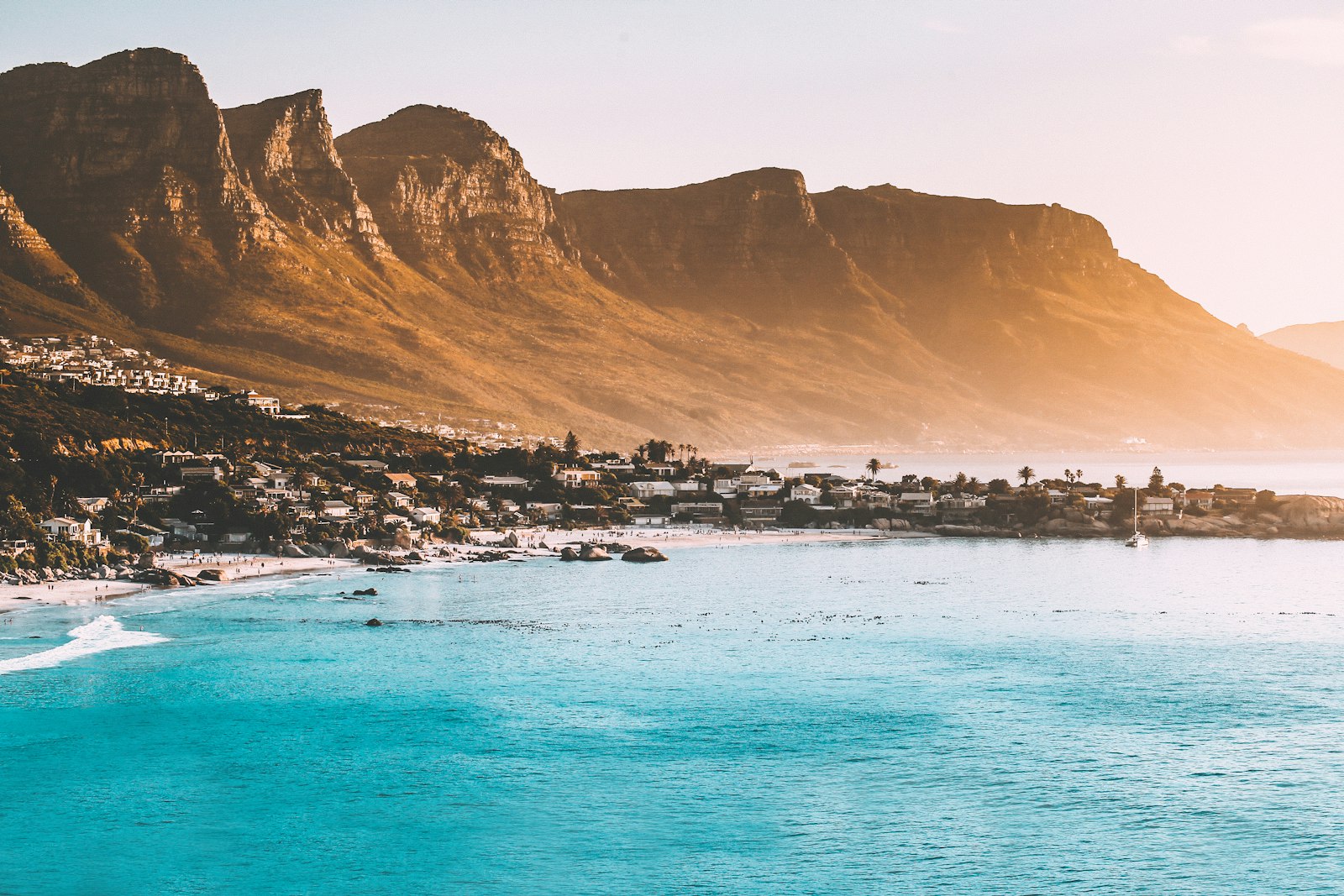
Camps Bay is known for its mountain backdrop and beachfront atmosphere; Clifton offers a more sheltered series of beaches reached by steps. Both work for a beach afternoon, photographs and sunsets, but Cape Town's Atlantic water is often cold.
Planning decision: A family wanting easy restaurants and a promenade may prefer Camps Bay, while someone seeking a quieter beach cove might choose Clifton. Check conditions, swim only where safe and supervised, and do not assume every beach is accessible by wheelchair or pram.
10. Walk the Sea Point Promenade
The Sea Point promenade offers a comparatively easy waterfront stroll or run, sea air, sunset light and nearby cafés. It works well as a low-commitment activity on arrival day or between paid experiences. Its public walkway is free to enjoy; paid facilities and food are separate.
It also helps explain why travellers often choose the Sea Point, Green Point or Waterfront areas as a Cape Town base.
10 More Cape Town Experiences Worth Choosing for Your Interests
These aren't filler attractions. Choose the ones that fit your interests rather than assuming you should do all ten.
11. Hike Lion's Head with a Realistic Safety Plan
Lion's Head is a rewarding hike for fit visitors, with exposed sections and changing conditions. It is not suitable for everyone. Check the route, forecast, daylight, footwear and your own fitness; avoid isolated or hazardous sections and consider a reputable hiking guide where appropriate.
If hiking is not right for your group, the mountain views from elsewhere in the city can still be excellent.
12. Watch the Light Change at Signal Hill
Signal Hill is a popular scenic viewpoint and sunset option. Traffic, parking, crowds and wind can affect the experience. Avoid isolated areas or unlit walks after dark, and arrange appropriate onward transport. Sunset cannot be guaranteed to be clear.
13. Understand the City Through District Six Museum
For travellers seeking context beyond postcard scenery, District Six Museum provides important insight into forced removals and the city's apartheid history. Confirm current opening days, guided-visit arrangements and ticketing with the museum before travelling.
14. Explore Company's Garden and Central Cape Town Heritage
Company's Garden, central architecture and nearby cultural institutions can form a thoughtful city walk. Pair them with a guided historical interpretation if you want to understand whose stories shaped the neighbourhood; do not mistake the presence of important heritage sites for a guarantee that every institution is open.
Central Cape Town is best explored with a practical route and awareness of your surroundings, particularly if you are unfamiliar with the city.
15. Spend a Rainy Morning at the Two Oceans Aquarium
The independently operated Two Oceans Aquarium is particularly useful for families and poor-weather days. Plan enough time for its marine-life exhibits and check feeding times directly with the attraction rather than building a day around unverified schedules.
It pairs naturally with the Waterfront; it is not part of an ordinary private city tour unless your quotation expressly includes it.
16. Discover African Art at Zeitz MOCAA
The Zeitz Museum of Contemporary Art Africa offers an art-focused contrast to Cape Town's scenery. The Silo District location also makes this practical to combine with the Waterfront.
Check exhibition schedules, gallery accessibility and entrance prices on the museum's official website. Treat museum attendance as a separate supplier-operated activity.
17. Explore Kalk Bay's Harbour, Shops and Food
Kalk Bay is a characterful False Bay coastal stop with a harbour, independent shops, restaurants and ocean views. It makes more sense as part of a False Bay or Peninsula route than as a rushed detour from the Waterfront.
For nearby lesser-known swimming spots and quieter local recommendations, continue to our dedicated Hidden Gems in Cape Town guide.
18. Discover Muizenberg's Surf Culture
Muizenberg is a well-known beginner-surfing area on False Bay. Surf lessons and equipment hire are run by independent providers and depend on sea conditions, instructor availability and individual ability.
If the ocean is your reason for travelling, budget time for a lesson rather than assuming you can add surfing into a crowded Cape Point tour. Use lifeguarded areas and follow local safety guidance.
19. Visit St James' Coastal Tidal-Pool Area
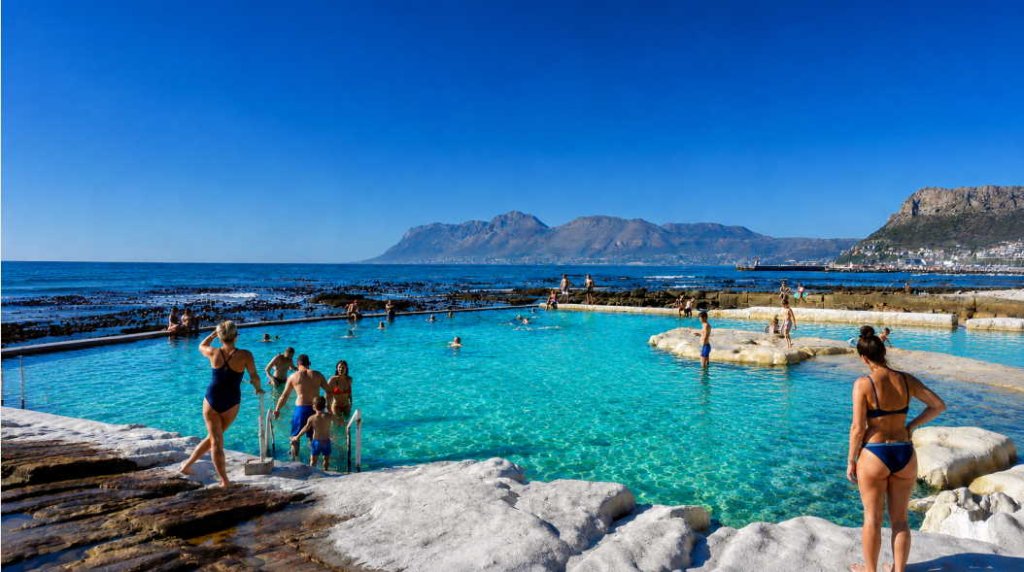
The St James beachfront and tidal pool are a relaxed way to enjoy the False Bay coastline. Tides, swell, water quality and changing conditions still matter. Keep valuables secure and check local safety information before swimming.
St James and Kalk Bay can fit into one coastal day rather than being treated as two separate full-day excursions.
20. Enjoy Hout Bay's Harbour and Coastal Scenery
Hout Bay works well as a stop along a coastal route and as a place for harbour views or lunch. Optional boat excursions and marine activities are independently operated and weather dependent; never assume a boat trip, seal encounter or other wildlife sighting is included in road transport.
5 Day Trips and Special Experiences From Cape Town
For these experiences, decide whether you want private guiding, shared transport, self-drive or a separate supplier-run activity. The difference affects convenience, pace and cost.
21. Spend a Full Day in Stellenbosch Wine Country
Stellenbosch combines vineyards, mountain views, food and cellar experiences within reach of Cape Town. A wine tour is most enjoyable when you choose a sensible number of estates and leave time for lunch and transfers.
Tastings, pairings and estate reservations are not necessarily included in transport or guiding fees. Browse Along the Shaws' private Stellenbosch and Franschhoek wine tour and Cape Winelands tours.
22. Make Franschhoek a Food-and-Wine Day
Franschhoek is particularly appealing for restaurants, wine tastings and the surrounding valley. If a memorable meal is a priority, use our best restaurants in Franschhoek guide to compare village bistros, wine-estate lunches and special-occasion dining before choosing your travel route. Your choice is not just which estates but how to move between them.
A private guided day gives more control over hotel collection, routing and pace. The Franschhoek Wine Tram follows its own published schedules and is a separate, independently operated product. Our comparison, private wine tour vs Franschhoek Wine Tram vs self-drive, explains the trade-offs without claiming to operate the tram.
23. Explore Constantia's Wine Heritage Closer to the City
Constantia is often a more practical choice for travellers who want vineyards without committing to a full Stellenbosch/Franschhoek day. It is known for historic estates, food and scenic surroundings.
Estate bookings, tasting charges and availability vary. See the Constantia private wine tour, and decide whether your goal is a dedicated tasting day or a shorter wine-country addition.
24. Plan a Whale-Coast Outing to Hermanus in the Right Season
Hermanus and the Overberg offer a different coastline and seasonal whale-watching interest. Whale activity is variable; the southern right whale season typically draws attention in the winter-to-spring period, but no date guarantees sightings.
Allow a proper day from Cape Town, especially if travelling by road. Independent boat operators, where used, control their own reservations, safety and weather decisions. A Hermanus trip is not a substitute for a short city tour.
25. Learn Through a Responsibly Organised Community Cultural Experience
Cape Town's cultural life cannot be reduced to landmarks alone. A genuinely community-led experience—where local people shape the programme and benefit from it—can add meaningful context to a trip, including in areas such as Langa.
Choose operators who explain consent, community involvement, transport arrangements and the purpose of the visit. Do not turn residents or disadvantaged neighbourhoods into an attraction. Ask about an appropriate cultural tour option only if this aligns with your interests and the actual offered programme.
Which Cape Town Activities Are Free, Cheap or Worth Paying For?
Free does not always mean frictionless. Even a free viewpoint can require a taxi, safe parking, sun protection or extra travel time. Some experiences are best purchased individually; others are easier to bundle into a guided day.
| Activity or category | Typical fee status | Important consideration |
|---|---|---|
| Sea Point promenade and public beachfront walks | Generally free | Transport, food and some facilities cost extra. |
| Bo-Kaap streets, Company's Garden public areas | Generally free to visit | Museums, guides and paid experiences are separate. |
| Signal Hill viewpoint | Generally free access | Conditions, parking and safe onward transport matter. |
| Table Mountain Cableway | Paid ticket | Weather dependent; confirm official operating status. |
| Cape Point and Boulders penguins | Park conservation fees | SA, SADC and international tariffs differ. |
| Kirstenbosch Botanical Garden | Paid admission | Ticket categories and concessions differ. |
| Robben Island, Aquarium, Zeitz MOCAA | Individually ticketed | Separate operators and published schedules. |
| Private Cape Town or Winelands touring | Personally quoted service | Compare guide, vehicle, pickup and attraction inclusions. |
Verified 2026 ticket examples (not complete tour prices): For the official period 1 November 2025–31 October 2026, SANParks lists Cape Point international adult R515 and Boulders international adult R245; South African and SADC tariffs are lower with the required proof. The official SANParks tariff page is authoritative. Travel from 1 November 2026 falls under a new tariff period: check the updated conservation-fee schedule rather than assuming the old rates continue.
The Table Mountain Aerial Cableway's standard adult online return ticket is R475 for the 1 July 2026–30 June 2027 tariff period, subject to its current terms and weather-related operations. Verify on the official Cableway website. SANBI's Kirstenbosch admission page lists visitor-specific 2026–2027 rates; check your eligibility rather than using a single generic entry figure.
Personally Guided Cape Town
Too Many Cape Town Options? Start with a Route That Fits Your Days.
Tell Donovan your travel dates, hotel area, group size and must-see experiences. He can recommend how to structure the Cape Town and Peninsula days, with a personally reviewed quote for Along the Shaws' guiding and transport services.
What to Do in Cape Town in 1, 3 or 5 Days
The following itineraries are practical starting points, not promises that every site is open, every activity is available or every journey will be on time.
One day in Cape Town: first-time essentials
Option A — city and views: Table Mountain (only if the cableway is operating) → Bo-Kaap and a focused city orientation → Waterfront or Atlantic Seaboard late afternoon. Keep travel buffers.
Option B — scenery and wildlife: A dedicated Peninsula route including Chapman's Peak when open, Cape Point and Boulders Beach, plus sensible meal and rest stops. Do not add Table Mountain, Robben Island and a wine tour to the same day.
If you have one day off a cruise or a fixed flight departure, tell your guide the actual deadline, embarkation time and pickup point. The right one-day tour is designed backwards from those constraints.
Three days in Cape Town: the balanced introduction
- Day 1 — city and mountain: Table Mountain when conditions allow, Bo-Kaap, central orientation and the Waterfront.
- Day 2 — Cape Peninsula: Cape Point, Cape of Good Hope area, Boulders penguins and scenic coastal stops.
- Day 3 — choose your priority: Stellenbosch/Franschhoek wine day, Kirstenbosch and Constantia, or Robben Island plus the Waterfront.
This is an efficient overview, but if the mountain is closed on Day 1, swap the days rather than losing it unnecessarily. Our full three-day Cape Town itinerary gives the more detailed schedule.
Five days in Cape Town: a more comfortable pace
- Day 1: Settle into your accommodation; Waterfront and Sea Point or nearby neighbourhoods.
- Day 2: Table Mountain plus Bo-Kaap, heritage or food, weather permitting.
- Day 3: Full Cape Peninsula with Cape Point and penguins.
- Day 4: Cape Winelands—Stellenbosch and Franschhoek, or a closer Constantia alternative.
- Day 5: Choose a meaningful extra: Kirstenbosch, a museum day, Robben Island with its own ferry schedule, or False Bay's Kalk Bay/Muizenberg coast.
Families, seniors and visitors who prefer a slower pace may benefit from fewer attractions per day, not more. The same applies if your group has mobility needs, small children or a lengthy daily transfer from its accommodation.
What Are the Best Things to Do in Cape Town for Couples?
For couples, I would prioritise a relaxed Winelands day, a sunset coastal viewpoint where conditions are suitable, Kirstenbosch, a Cape Peninsula drive and an unhurried meal. These choices leave more room for conversation and flexibility than an overpacked attractions checklist.
A private guide can help shape a special day around a preferred lunch reservation, photography stops or a slower pace—but confirm any estate or restaurant booking separately. Explore private Cape Town tours for route ideas.
Things to Do in Cape Town With Kids
A good family combination is Boulders penguins, the Two Oceans Aquarium, gentle Kirstenbosch walks, beach time and suitable Waterfront activities. Allow for naps, sun, queues, accessible bathrooms and realistic travel times.
Some sites have steep steps, rocky paths or age and height rules. If travelling with young children, ask about the appropriate vehicle, child restraints and whether the chosen programme is suitable for their age. Not all boat, hiking or wildlife experiences are family-suitable.
Things to Do in Cape Town When It Rains or the Cableway Closes
Cape Town weather changes quickly. A cloudy or windy mountain morning does not mean the entire day is wasted. Consider the Aquarium, Zeitz MOCAA, District Six Museum, appropriate heritage experiences, sheltered markets or a long lunch. A guided city orientation can still work when safe and suitable.
The key rule: Keep at least one flexible day during a multiday visit and confirm current attraction opening arrangements. Avoid promising a mountain ascent or sea excursion regardless of weather.
Best Things to Do in Cape Town at Night
A waterfront dinner, restaurant booking in a neighbourhood suited to your base, or a planned cultural event can work well. Choose a reputable return-transport option rather than assuming an unfamiliar route will be comfortable to walk late at night.
Use the City of Cape Town's official visitor safety guidance for practical precautions. Avoid deserted areas after dark; keep valuables out of sight and use recognised transport services.
Is Cape Town Safe for Tourists Exploring These Attractions?
Cape Town has outstanding visitor experiences, but safety decisions should be specific to your neighbourhood, time of day, transport and activity. Don't oversell any place as risk-free or assume every hiking trail is suitable without a guide.
Practical habits include using reputable transport, checking hiking conditions, avoiding deserted or unlit areas, keeping valuables secure and not leaving belongings unattended at beaches or viewpoints.
For a more detailed, balanced discussion, read our Is Cape Town Safe for Tourists? guide. For arriving visitors, see Cape Town airport transfer options and private airport collection.
Where to Stay to Make These Cape Town Activities Easier
V&A Waterfront / Green Point can work for harbour dining and first-time navigation. Sea Point suits promenade walks and nearby food. Camps Bay is a scenic beach-focused base, but traffic and transfers to some attractions can take longer. City Bowl can be convenient for culture and access to the mountain.
There is no universally “safest” or “best” base; hotel location, parking, late-night transport and the experiences you actually plan matter. Compare the trade-offs in our where to stay in Cape Town for first-time visitors guide.
How to Get Around: Private Tour, Self-Drive, Uber or Group Tour?
Private guided tour: Best when you want a personalised route, a local guide, accommodation pickup, flexibility and one point of contact for the Cape part of your trip. Check the full quotation and what attraction fees are excluded.
Self-drive: Can suit confident drivers seeking independence; factor in parking, traffic, tolls, distance, route planning and a sober designated driver on wine days.
Ride-hailing: Useful for suitable point-to-point urban trips, but multiple long Peninsula stops or remote wine-estate visits need careful advance planning. Availability, pickup areas and pricing vary.
Shared group tour: Can lower the cost per person, but normally follows a published route and timetable. Compare departure points, inclusions and who actually operates the experience.
Read the private Cape Town tour cost guide if you want pricing structures and an honest per-person versus per-vehicle comparison.
Can You See Safari Wildlife on a Day Trip From Cape Town?
There are Cape Town-area reserve excursions, but they are not equivalent to spending several nights in Greater Kruger or an Eastern Cape reserve. A safari day trip usually involves a substantial road journey and a game drive operated by the reserve, with its own wildlife, vehicle and availability conditions.
Along the Shaws can discuss the Cape-side transport or touring arrangements represented in its Aquila safari-related excursion page. The reserve—not Along the Shaws—operates the game drives. No sighting, species encounter, departure time or supplier inclusion should be presumed without written confirmation.
For a bigger South African journey, read how to combine Cape Town and a safari.
What Along the Shaws Can Help You Experience
Donovan Shaw (Western Cape Tourist Guide WC 10472) provides personally guided Cape Town and Western Cape journeys through Along the Shaws. For an enquiry, the useful information is your travel dates, number of travellers, pickup area, must-see experiences, mobility considerations and preferred pace.
Relevant services include the Cape Town city and Table Mountain tour, Cape Point and penguins private tour, Stellenbosch and Franschhoek wine tour, airport transfers and private driver arrangements.
Supplier transparency: Along the Shaws does not own or operate Table Mountain Aerial Cableway, SANParks, Robben Island Museum, the Two Oceans Aquarium, Wine Tram, independent wine estates, marine operators or safari game drives. Their tickets, rates, schedules and availability are independently controlled. Along the Shaws' own services are subject to an individual quotation and confirmation.
Frequently Asked Questions About Things to Do in Cape Town
What are the top five things to do in Cape Town for a first-time visitor?
Table Mountain, a Cape Peninsula day that includes Cape Point and Boulders penguins, the Waterfront, Bo-Kaap and a Cape Winelands experience are strong starting points. Prioritise them according to weather and how many full days you have.
How many days do you need to see Cape Town properly?
Three full days provide an introduction to the mountain, city, Peninsula and one optional Winelands experience. Five days give more space for changing weather, museums and coastal neighbourhoods. Allow extra days for a slower pace.
Can you do Table Mountain and Cape Point in one day?
It may be possible with an unusually early start and favourable conditions, but it is usually too rushed for an enjoyable first-time trip, especially with Boulders penguins. Give the mountain and Peninsula separate days when possible.
What are the best free things to do in Cape Town?
The Sea Point promenade, public sections of the Waterfront, appropriate parts of Bo-Kaap and Company's Garden, public beaches and suitable viewpoints are generally free to access. Transport, parking, guided activities and admission to individual attractions may still cost extra.
What should you do in Cape Town when it rains?
Try the Two Oceans Aquarium, Zeitz MOCAA, District Six Museum, suitable food experiences and other open indoor attractions. Check opening hours and don't assume the Cableway or boat tours will operate in poor weather.
What are the best things to do in Cape Town with kids?
The penguins at Boulders, the Aquarium, selected Waterfront attractions, easy Kirstenbosch paths and family-friendly beaches usually work well. Choose routes appropriate to the children's ages, stamina and safety needs.
Is it better to book a private Cape Town tour or self-drive?
A private tour offers a guide, organised pickup, local context and a flexible route. Self-driving offers independence but requires handling traffic, parking and timing. Compare total prices and inclusions, not just the headline cost.
Can I visit Stellenbosch and Franschhoek in one day from Cape Town?
Yes, a full-day route can combine carefully selected experiences in both areas. Do not try to visit too many wineries. Estate tastings, meals and specialist experiences require their own availability and confirmations.
What is the best time of year for things to do in Cape Town?
Summer is popular for beaches and longer outdoor days; winter brings cooler, wetter conditions but can work for food, culture and more flexible itineraries. Table Mountain's cableway remains weather dependent year-round. See our best time to visit South Africa guide.
Can I see penguins and Cape Point on the same day?
Yes. Boulders penguins and Cape Point are often combined into one full Peninsula outing with driving, parking, admission and sensible stop time. A well-planned route matters more than squeezing in another attraction.
Are attraction tickets included with Along the Shaws private tours?
Only where the individual quotation explicitly says they are. Cableway tickets, SANParks conservation fees, museum entry, Wine Tram tickets, tastings and independently run activities may be additional.
Can Along the Shaws arrange an itinerary for couples, families or small groups?
You can enquire about a tailored Cape Town and Western Cape touring or transfer plan. Tell Donovan the dates, pickup area, passenger count, interests and mobility or child-seat requirements. Availability and the exact service are confirmed by quotation—not by the examples in this guide.
Official Sources and How This Guide Is Maintained
This is an editorially curated travel-planning guide, not an operator's live availability feed. The locations are real, but the ideal route depends on the visitor and conditions. For 2027 travel, verify all tariff periods and attraction operations directly.
- Cape Town Tourism — top attractions
- Cape Town Tourism — Cape Point visitor guidance
- Table Mountain Aerial Cableway — opening hours and weather operation
- SANParks — Cape Point and Boulders admission
- SANParks — current conservation-fee periods
- SANBI — Kirstenbosch visitor rates
- V&A Waterfront — visitor information
- Robben Island Museum — official information
- City of Cape Town — visitor safety guidance
Reviewed October 2026. Attraction fees, routes and hours can change, particularly around the 1 November SANParks tariff changeover. Check official supplier information and request a written Along the Shaws quotation for services provided by our business.
Sources
https://www.capetown.travel/top-attractions/
https://www.capetown.travel/how-to-spend-a-day-at-cape-point/
https://www.tablemountain.net/plan-your-visit/operating-hours/
https://www.sanparks.org/parks/table-mountain/rates-entry-fees
https://www.sanparks.org/travel/book/useful-information/rates-fees
https://www.sanbi.org/gardens/kirstenboch/visitor-information/information/
https://www.waterfront.co.za/visitor-information
https://www.robben-island.org.za/
https://www.capetown.gov.za/explore-and-enjoy/visitor-safety/general-safety-awareness/general-safety-tips-for-visitors/
https://www.wikidata.org/wiki/Q5465
Recommended Reading


Plan With a Local Guide
Turn Your Cape Town Wish List into a Personal Journey
From Table Mountain and Cape Point to Boulders penguins and the Winelands, Donovan can help you choose the right Cape experiences for your dates and pace. Third-party attractions remain subject to their own tickets, schedules and confirmations.
About the author
Written and reviewed by Donovan Shaw
Donovan is the founder of Along the Shaws and a registered Western Cape Tourist Guide (WC 10472). He advises visitors on Cape Town touring, transfers and Cape Winelands experiences.This guide helps first-time visitors plan around the Cape's geography, changing weather, attraction operations and independently supplied experiences.
Meet Donovan and learn about his guiding experience →