South Africa Travel
Best Time to Visit South Africa Month by Month
A month-by-month guide to the best time to visit South Africa, covering Cape Town, safari, the Garden Route, whale watching and seasonal trade-offs for first-time visitors.
South Africa is a year-round destination, but the best time to visit depends entirely on what you want to experience — and which regions you plan to combine.
The country is large enough to have different climate zones. Cape Town has a winter-rainfall Mediterranean climate. The northeastern safari regions have dry winters and summer rain. The Garden Route sits somewhere between the two.
This guide breaks down every month, explains the seasonal trade-offs and helps you choose the right time for your specific itinerary.
For the broader trip structure, read The Ultimate South Africa Itinerary for First-Time Visitors.
Quick Answer: When Is the Best Time to Visit South Africa?
For Cape Town and the Western Cape
October to April offers the warmest, driest weather. December to February is peak summer — busy, warm and ideal for beaches.
For Safari (Kruger and the northeast)
May to September is the dry season — sparse vegetation, concentrated wildlife around water sources and cooler temperatures. This is widely considered the best game-viewing period.
For the Garden Route
September to April offers the most reliable weather. Summer months are warm but can be crowded.
For whale watching
June to November in Hermanus and the Overberg. Southern right whales are typically present along the Cape south coast from roughly June, peaking around September–October.
For combining Cape Town and safari
September to October and March to April are the strongest shoulder-season windows — good weather in the Cape, improving or still-decent safari conditions, and fewer crowds than midsummer.
Understanding South Africa's Climate Zones
The Western Cape (Cape Town, Winelands, Garden Route)
Winter-rainfall climate. Wettest months are June–August. Warmest months are December–February.
The northeast (Kruger, Mpumalanga, Limpopo)
Summer-rainfall climate. Wet season roughly November–March. Dry season May–September. Winter nights can be cold.
The Eastern Cape (safari reserves and coastline)
Transitional climate. Generally moderate year-round. Some summer rain.
The KwaZulu-Natal coast (Durban and the north coast)
Subtropical. Warm and humid in summer. Mild winters.
Month-by-Month Guide
January
Cape Town: Peak summer. Hot, dry and sunny. Beaches at their best. Very busy with domestic and international tourists.
Safari: Wet season in Kruger. Lush vegetation, scattered wildlife, occasional thunderstorms. Some lodges close or reduce operations.
Garden Route: Warm and pleasant. Busy with school holidays.
Best for: Cape Town beaches, Winelands, Garden Route. Less ideal for Kruger safari.
February
Cape Town: Still peak summer. Hot and dry. Busy but slightly less so than January.
Safari: Wet season continues. Good birdlife, green landscapes, but wildlife viewing is more challenging.
Whale watching: Very early arrivals possible late in the month.
Best for: Cape Town, food and wine experiences, Garden Route.
March
Cape Town: Late summer. Warm, mostly dry, with less crowds. One of the best months.
Safari: Transitional period. Rains easing in the northeast. Vegetation still lush but starting to thin.
Garden Route: Warm and pleasant with fewer crowds.
Best for: Everything. One of the strongest months for a combined Cape Town and safari trip.
April
Cape Town: Early autumn. Mild, comfortable temperatures. Some rain possible but generally pleasant.
Safari: Dry season beginning. Vegetation thinning. Water becoming scarce. Game viewing improving.
Garden Route: Warm days, cooler evenings. Autumn colours developing.
Best for: Safari and Cape Town combination. Easter can be busy.
Read: South Africa in Winter: The Best Things to Do
May
Cape Town: Autumn. Cooler, with increasing rainfall. Quieter and more affordable.
Safari: Dry season well underway. Good game viewing. Cool nights and mornings.
Garden Route: Mild and green. Fewer crowds.
Best for: Safari, budget-conscious travel, quieter Cape Town.
June
Cape Town: Winter. Rainy, cool and sometimes stormy. Green landscapes. Dramatic seascapes.
Safari: Peak dry season. Excellent game viewing. Cold mornings and evenings.
Whale watching: Southern right whales arriving along the Cape south coast.
Best for: Safari and whale watching. Cape Town is less ideal for outdoor activities.
July
Cape Town: Mid-winter. Rain and cool temperatures. Some clear, beautiful days between fronts.
Safari: Peak dry season. Excellent game viewing. Cold mornings.
Whale watching: Good whale activity along the south coast.
Best for: Safari, whale watching, indoor Cape Town experiences.
August
Cape Town: Late winter. Still rainy but with increasing clear days. Wildflower season beginning in some regions.
Safari: Excellent game viewing. End of the coldest period.
Whale watching: Peak whale season in Hermanus.
Best for: Whale watching, safari, wildflowers.
September
Cape Town: Early spring. Warming up, less rain. Gardens and wildflowers at their best.
Safari: Late dry season. Excellent game viewing before summer rains. Water sources very low.
Whale watching: Peak whale season.
Garden Route: Spring flowers, mild weather.
Best for: Whale watching, safari, and improving Cape Town weather. One of the best months overall.
October
Cape Town: Spring. Warm, mostly dry. One of the best months for Cape Town.
Safari: End of dry season. Rains may begin. Still good game viewing.
Whale watching: Tail end of whale season.
Garden Route: Pleasant spring weather.
Best for: Cape Town, whale watching (early month), and safari.
November
Cape Town: Late spring. Warm and increasingly summery. Good value before peak season.
Safari: Summer rains beginning. Game viewing becoming more difficult.
Garden Route: Warm and green.
Best for: Cape Town before peak-season prices, Winelands.
December
Cape Town: Peak summer. Hot, dry and very busy. School holidays and festive season.
Safari: Wet season. Lush but challenging for game viewing.
Garden Route: Very busy. Warm and beach-friendly.
Best for: Cape Town beaches, festive season. Book well ahead. Least ideal for safari.
Best Time by Travel Purpose
Best time for Cape Town
October to April. March and October are the sweet spots — warm, less crowded and generally good value.
Best time for safari
May to September. September is the strongest month — peak dry season game viewing with warming temperatures.
Best time for the Garden Route
September to April. March and October are ideal.
Best time for whale watching
June to November. September is the peak month in Hermanus.
Best time for food and wine
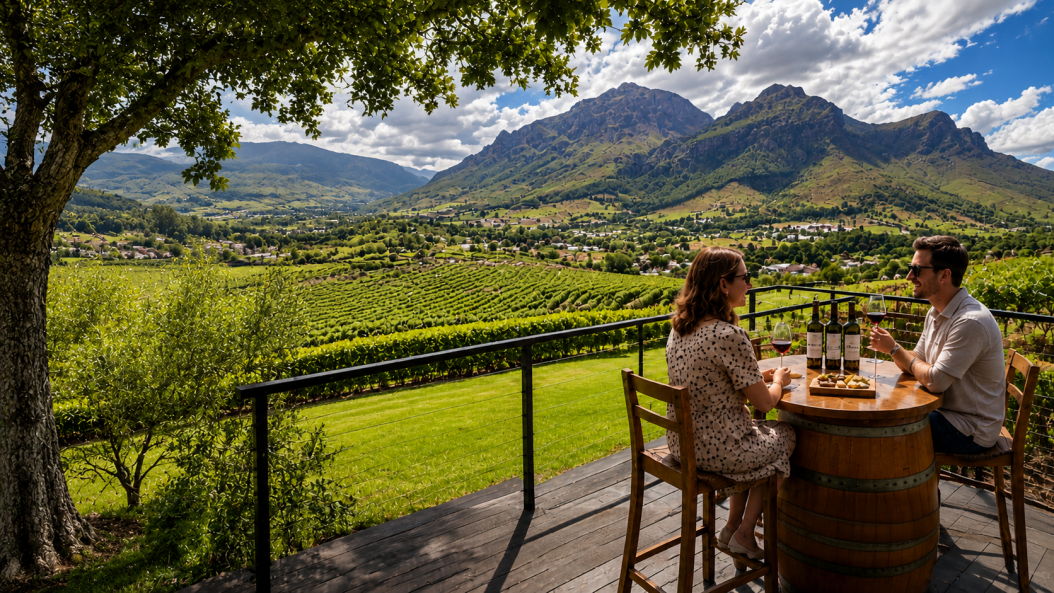
October to April. Harvest season in the Cape Winelands runs roughly January to March. Explore Cape Winelands tours for seasonal experiences.
Best time for budget travel
May, June and November. Shoulder and off-peak months offer lower rates and fewer crowds.
Best time for families
December–January (South African school holidays) or April (Easter break). Consider shared group tours for family-friendly options.
Seasonal Trade-Offs Summary
| Season | Cape Town | Safari | Garden Route |
|---|---|---|---|
| Summer (Dec–Feb) | Hot, dry, busy, peak prices | Wet, lush, challenging game viewing | Warm, crowded |
| Autumn (Mar–May) | Warm, mild, less crowded | Dry season begins, improving game viewing | Mild, fewer crowds |
| Winter (Jun–Aug) | Cool, rainy, green | Peak dry season, excellent game viewing | Cool, green, quiet |
| Spring (Sep–Nov) | Warming, mostly dry, good value | Late dry season, good game viewing, then rains | Pleasant, spring flowers |
How to Choose the Right Month
If safari is your priority
Choose June to September. Add Cape Town before or after — accept that winter weather may limit outdoor Cape activities, or focus on indoor and cultural experiences.
If Cape Town is your priority
Choose October to April. March or October are ideal. If you want to include safari, accept that summer game viewing is more challenging, or choose an Eastern Cape reserve which has a less extreme wet season.
If you want both equally
Choose September–October or March–April. These shoulder windows offer the best balance between Cape Town weather and safari conditions.
If you want whales and safari
Choose August to September. Whale season peaks while safari is still in prime dry season.
If you are budget-conscious
Choose May, June or November. Lower rates, fewer crowds, but weather trade-offs in some regions.
Planning Around South African School Holidays
South African school holidays affect accommodation availability and pricing, especially in Cape Town, the Garden Route and safari reserves.
Key periods:
- December–January: Long summer break
- March–April: Easter holidays
- June–July: Winter break
- September–October: Spring break (dates vary)
If you prefer fewer crowds, check South African school holiday dates and travel just outside them where possible.
How Along the Shaws Can Help
Along the Shaws specialises in the Cape Town and Western Cape portion of your South Africa journey. Donovan Shaw, a Registered Western Cape Tourist Guide (WC 10472), can help plan:
- Private Cape Town tours adapted to seasonal conditions
- Cape Winelands experiences timed for harvest or autumn colours
- Airport transfers with reliable collection year-round
- Shared Group Tours for social travellers
- Weather-flexible Cape Town itineraries
For more planning resources, explore our travel guides or contact us directly.
Frequently Asked Questions
What is the best month to visit South Africa?
September is widely considered the best overall month — peak whale watching, excellent safari conditions, and spring weather arriving in Cape Town. March is the best shoulder-season alternative.
Is December a good time to visit South Africa?
December is excellent for Cape Town beaches and the Garden Route but less ideal for Kruger safari. It is peak season — busy and more expensive. Book well ahead.
When is the best time for safari in South Africa?
May to September is the dry season and the best time for game viewing. September is the strongest month — wildlife is concentrated around water sources and temperatures are warming.
When can I see whales in South Africa?
Southern right whales visit the Cape south coast from approximately June to November. Peak viewing is August to September in Hermanus.
Is winter a bad time to visit Cape Town?
Cape Town's winter (June–August) is wetter and cooler, but it offers green landscapes, fewer crowds, lower rates and dramatic coastal scenery. It is also the best time for safari and whale watching.
What is the cheapest time to visit South Africa?
May, June and November generally offer the lowest accommodation rates. Combine with shoulder-season safari for the best value.
Should I visit in shoulder season?
Yes. March–April and September–October offer excellent value, fewer crowds and a strong balance between Cape Town and safari conditions.
Sources
https://www.southafrica.net/za/en/travel/article/discover-the-garden-route
https://www.sanparks.org/parks/kruger/explore/climate
https://www.capetown.travel/itineraries-tours/one-week-itinerary-in-cape-town/
Recommended Reading
Get started
Plan Your Private Cape Town Experience
Tell Donovan your dates, group size and interests. He will recommend the most suitable route and send a clear quotation based on your actual requirements.
About the author

Reviewed by Nuno Da Costa
Language Guide
Nuno brings specialist Spanish and Portuguese language expertise to selected journeys, helping guests communicate with ease, connect more deeply with local people, and fully immerse themselves in the culture and experiences of each destination.
Learn more about Donovan →