
South Africa Travel
South Africa in Winter: The Best Things to Do for International Visitors
South Africa's winter offers dry-season safaris, migrating whales, green Cape landscapes, atmospheric wine estates and quieter sightseeing. Here is how to plan it properly.
Many international travellers assume that South Africa should only be visited during summer.
That assumption can cost them some of the country's most rewarding experiences.
South Africa's winter falls mainly between June and August, but the season does not feel the same everywhere. Cape Town and the Western Cape receive periods of winter rain, while the safari regions of Mpumalanga and Limpopo are generally drier, sunnier and particularly good for wildlife viewing. Durban and the KwaZulu-Natal coast can remain pleasantly warm. (South African Tourism)
Winter is when travellers can combine dry-season game viewing, migrating whales, green Cape landscapes, atmospheric wine estates, coastal road trips, local food and clear-weather sightseeing.
The secret is not to plan South Africa as though it has one climate. It is to match each region with the experiences that work best there.
Quick Answer: Is South Africa Worth Visiting in Winter?
Yes. South Africa is absolutely worth visiting in winter, particularly for international visitors interested in:
- Big Five safaris
- Whale watching
- Cape Town and the Cape Peninsula
- Cape Winelands experiences
- Marine wildlife
- Food, wine and culture
- Scenic road trips
- Photography
- Cooler outdoor conditions
Winter is one of the strongest periods for game viewing in the country's northern reserves because vegetation becomes thinner and animals are drawn towards water sources. Along the Cape coast, southern right whales begin arriving from June, with stronger viewing generally developing through August, September and October. (SANParks)
South Africa Does Not Have One Winter Climate
This is the most important fact foreign travellers need to understand.
Cape Town and the Western Cape
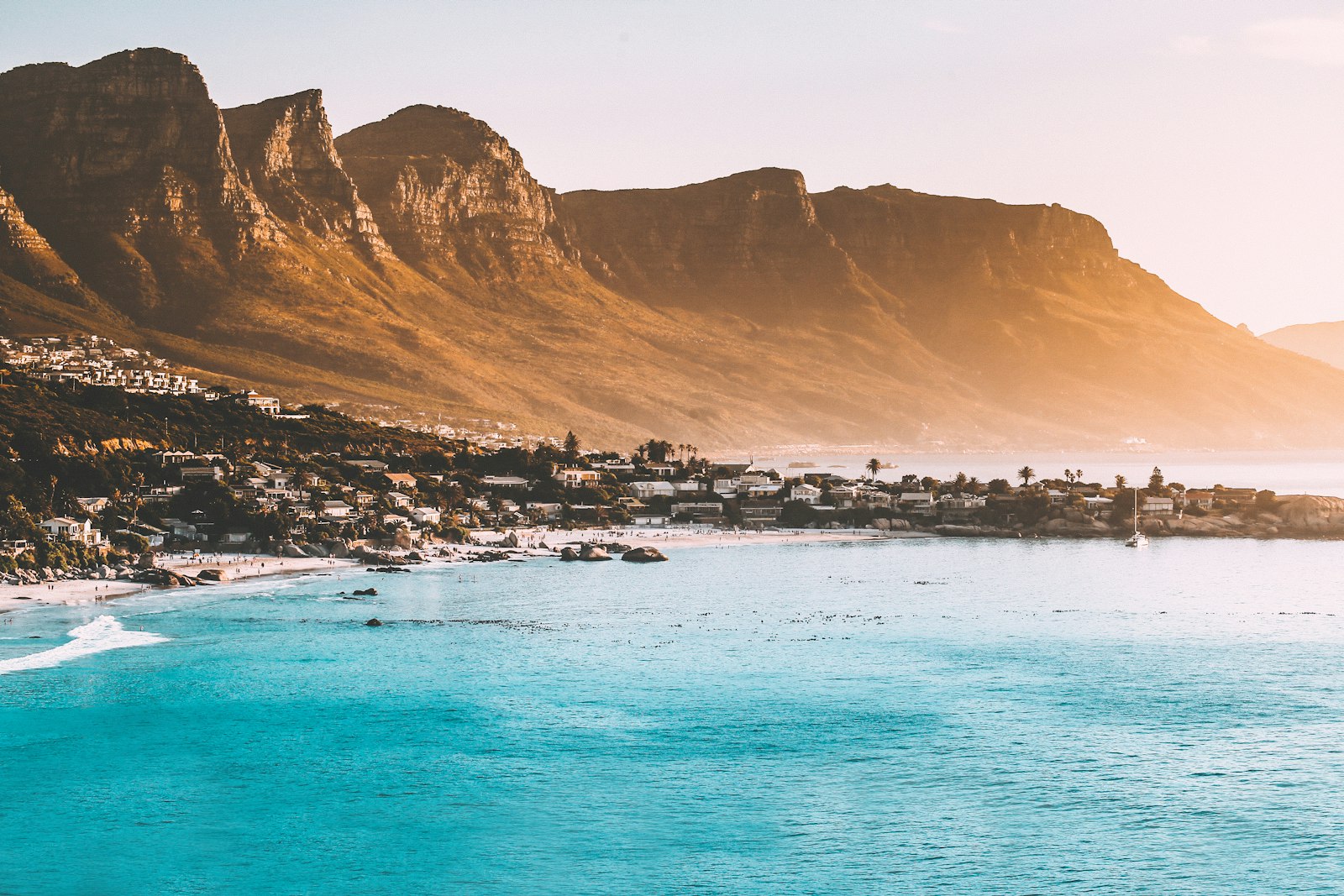
Cape Town experiences a Mediterranean-style winter, which can include rain, wind, cool evenings and dramatic changes in weather. However, winter also brings green scenery, waterfalls, clearer intervals and days suitable for Table Mountain, Cape Point and coastal touring. Cape Town Tourism continues to promote nature, whale watching, trails, cultural attractions, food, museums and weather-dependent outdoor activities throughout winter. (Cape Town Tourism)
Kruger, Mpumalanga and Limpopo
These northern safari regions are generally dry during winter. Days can be sunny and comfortable, while early-morning and evening game drives may feel very cold. Reduced vegetation and greater animal concentration around available water make winter especially valuable for wildlife viewing. (South African Tourism)
KwaZulu-Natal and Durban
The east coast is usually warmer than Cape Town during winter. South African Tourism identifies the KwaZulu-Natal coast as a possible winter sun destination, while the Sardine Run creates a major seasonal marine spectacle between approximately May and July. (South African Tourism)
1. Go on a Dry-Season Safari
For many foreign travellers, winter is the best time to experience a South African safari.
In Kruger National Park and other northern bushveld destinations, winter generally means less rainfall, thinner vegetation and animals gathering closer to rivers and waterholes. Lions, elephants, buffalo, rhino, leopard and other wildlife may therefore be easier to locate than during dense summer growth. (SANParks)
Visitors should still prepare for cold open-vehicle drives at sunrise and after sunset. A warm jacket, layers, scarf and closed shoes are often more useful than travellers expect.
Best for: wildlife enthusiasts, photographers, couples, families and first-time safari visitors.
2. Watch Southern Right Whales Along the Cape Coast
Whale watching is one of South Africa's defining winter attractions.
Southern right whales begin reaching the Cape coastline during June and July. Numbers generally build as the season progresses, with August, September and October among the strongest periods for seeing them close to shore. (South African Tourism)
Hermanus is internationally known for land-based whale watching, but sightings can occur along a much wider stretch of the Cape coastline. Visitors may combine scenic coastal viewpoints with a licensed boat-based whale-watching trip, subject to weather and marine conditions. (Cape Town Tourism)
Wildlife sightings can never be guaranteed. A responsible itinerary should allow flexibility rather than presenting whale encounters as a certainty.
Best for: couples, families, photographers, wildlife lovers and first-time Cape visitors.
3. Experience the Cape Winelands in Their Most Atmospheric Season
The Cape Winelands are not only a summer destination.
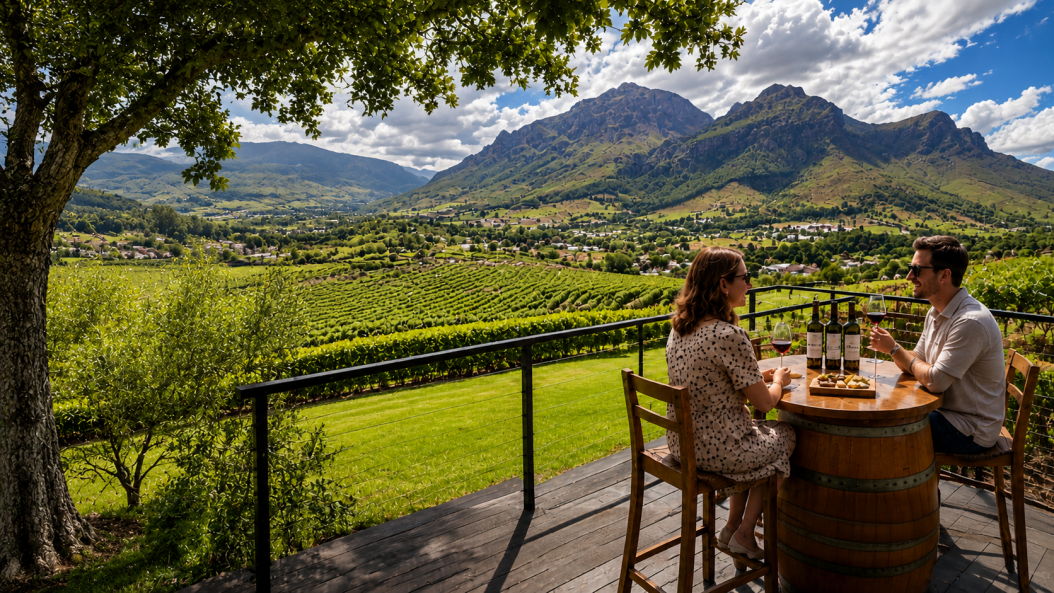
Winter brings green valleys, mountain mist, cellar tastings, fireplace lunches, food-and-wine pairings and a slower, more intimate atmosphere across Stellenbosch, Franschhoek and Paarl.
A winter Winelands day works particularly well when the itinerary combines:
- Carefully selected estates
- Indoor tastings
- A long lunch
- Scenic mountain routes
- Historic town centres
- Flexible departure and return times
For international visitors who do not know the estates or want to enjoy wine without driving, a private Cape Winelands tour provides far more flexibility than self-driving or following a fixed mass-tour route.
Best for: couples, honeymooners, food lovers, wine enthusiasts and multigenerational travellers.
4. Tour Cape Point, Boulders Beach and the Cape Peninsula
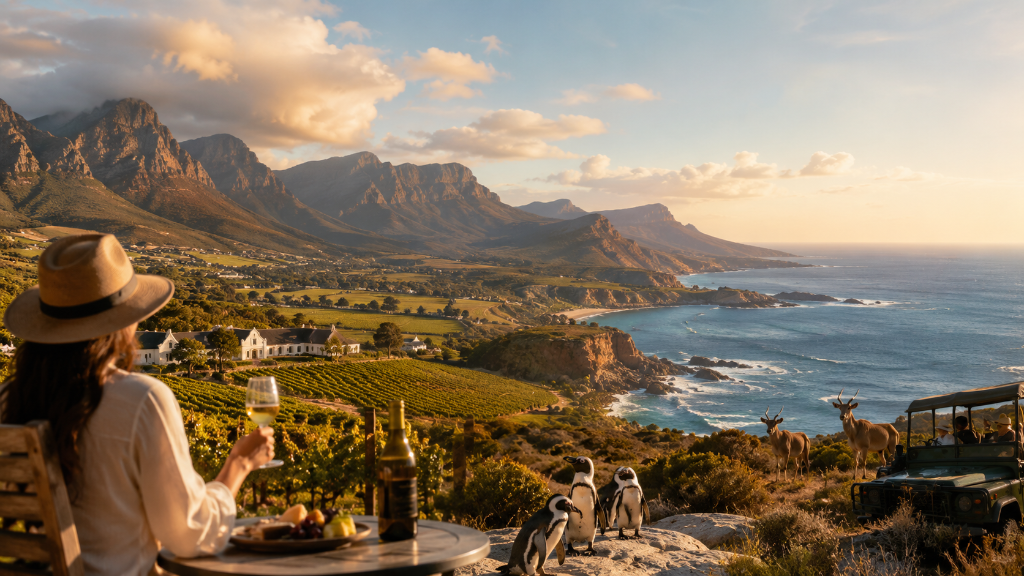
Cape Point and the Cape Peninsula remain compelling in winter.
Cooler temperatures can make sightseeing and short walks more comfortable, while the Cape's winter landscape becomes green and dramatic. Cape Point, Chapman's Peak, Simon's Town, coastal villages and the African penguins at Boulders Beach can be combined into a full-day route. Cape Town Tourism actively includes Cape Point and winter nature experiences among the city's seasonal attractions. (Cape Town Tourism)
Because rain, wind, visibility and road conditions can change, the strongest winter Peninsula tours are flexible rather than rigid.
Best for: first-time visitors, couples, families, photographers and travellers with limited time in Cape Town.
5. Visit Table Mountain When the Weather Window Opens
Table Mountain should remain part of a winter Cape Town itinerary, but not necessarily on a fixed day decided months in advance.
Cape winter weather can change quickly. Clear mornings may follow rain, while wind can affect Cableway operations. The official Table Mountain Aerial Cableway advises visitors to check operational status, visibility, weather and waiting information before travelling. (Table Mountain Aerial Cableway)
The intelligent strategy is to monitor conditions and move Table Mountain to the best available weather window.
That flexibility is one of the biggest advantages of having a local person coordinate the itinerary.
Best for: every first-time Cape Town visitor when conditions are suitable.
6. Join a Marine Big Five Safari in Gansbaai
The Gansbaai region offers access to one of South Africa's most remarkable marine environments.
Depending on the season, conditions and operator, travellers may search for whales, dolphins, Cape fur seals, African penguins and sharks. South African Tourism identifies winter as an important period for shark and whale activity in the Gansbaai area. (South African Tourism)
Marine safaris are supplier-operated and weather-dependent. Sea conditions, sightings, departure times and vessel availability must be confirmed by the appointed licensed operator.
Along the Shaws can coordinate transport and the broader journey, but should never imply control over wildlife, ocean conditions or the marine activity itself.
Best for: adventurous travellers, marine wildlife enthusiasts and photographers.
7. Enjoy Cape Town's Food, Culture and Indoor Attractions
A rainy winter day does not need to become a wasted holiday day.
Cape Town offers museums, galleries, markets, restaurants, high tea, the V&A Waterfront, Zeitz MOCAA, Cape Malay food experiences, the Two Oceans Aquarium and many other indoor or partly sheltered attractions. Cape Town Tourism specifically promotes museums, art, food, wellness and cultural activities as part of the city's winter offering. (Cape Town Tourism)
A strong winter itinerary should contain at least one well-designed bad-weather alternative.
That way the guest is not simply told that an activity has been cancelled. They are given another worthwhile way to experience the Cape.
8. Explore Green Landscapes, Waterfalls and Winter Trails
Cape Town's winter rainfall changes the landscape.
Mountains, gardens and valleys become greener, and seasonal waterfalls may become visible again. Cape Town Tourism promotes cooler-weather walks, trail running, Kirstenbosch, waterfall routes and other nature activities during winter. (Cape Town Tourism)
Outdoor plans must still consider trail conditions, wind, rain, visibility and personal fitness. Travellers unfamiliar with the terrain should avoid assuming that a popular social-media trail is automatically suitable in winter.
Best for: active travellers, photographers and visitors who prefer nature to conventional sightseeing.
9. Witness the Sardine Run
The Sardine Run is one of South Africa's great winter wildlife spectacles.
Between roughly May and July, large shoals of sardines move along parts of the Eastern Cape and KwaZulu-Natal coastline, attracting dolphins, sharks, seabirds and other marine predators. The timing and precise location vary because this is a natural event rather than a scheduled attraction. (South African Tourism)
This is not a casual Cape Town day trip. It requires dedicated planning in the appropriate region and often specialist marine operators.
Best for: experienced divers, marine photographers and serious wildlife travellers.
10. See the Late-Winter Wildflowers
Late winter begins one of South Africa's most spectacular natural transitions.
From approximately late July into spring, parts of Namaqualand and the West Coast can erupt into carpets of wildflowers. Timing depends heavily on rainfall, temperature and local conditions, so the exact peak cannot be guaranteed far in advance. (South African Tourism)
Travellers visiting Cape Town in August or September may consider adding a West Coast or Namaqualand extension when conditions are promising.
Best for: photographers, nature lovers, road-trippers and repeat South Africa visitors.
11. Go Stargazing in the Karoo or Cederberg
South Africa's clear interior skies make winter an excellent period for stargazing.
Sutherland is home to the Southern African Large Telescope, while the Cederberg also offers dark-sky experiences and astronomical observation. South African Tourism highlights Sutherland as a winter stargazing destination, while Cape Town Tourism promotes the Cederberg for astronomical experiences. (South African Tourism)
These experiences work particularly well as part of a private multi-day journey rather than a rushed return trip from Cape Town.
12. Build a Flexible Cape Town Winter Road Trip
Winter rewards travellers who allow their itinerary to respond to the conditions.
A well-designed Cape journey could include:
- Cape Town city and Table Mountain
- Cape Point and Boulders Beach
- Stellenbosch and Franschhoek
- Hermanus and the whale coast
- Gansbaai marine wildlife
- The Overberg
- The West Coast
- The Cederberg
- A safari extension
The most important word is flexible.
Table Mountain should move to a clear day. A boat trip should remain subject to the marine operator. A Winelands day can work well during light rain. A Peninsula drive may need to follow the safer and clearer route available on the day.
A Strong Seven-Day Cape Town Winter Itinerary
Day 1: Cape Town arrival
Private airport collection, hotel transfer and a relaxed orientation based on arrival time.
Day 2: Table Mountain and Cape Town
Use the best available morning weather window for Table Mountain, followed by the city, Bo-Kaap, the V&A Waterfront or another suitable attraction.
Day 3: Cape Point and Boulders Beach
Travel through the Cape Peninsula with coastal viewpoints, Simon's Town and the African penguins.
Day 4: Cape Winelands
Visit Stellenbosch, Franschhoek or Paarl for wine tasting, local food, mountain scenery and a long winter lunch.
Day 5: Hermanus and the whale coast
Follow the scenic coastline towards Hermanus, stopping at suitable viewpoints and coastal towns. Add a licensed boat trip only when conditions and availability allow.
Day 6: Flexible weather day
Use this day for a missed outdoor priority, cultural touring, markets, museums, Kirstenbosch, food experiences or additional coastal exploration.
Day 7: Departure or onward safari
Transfer to Cape Town International Airport or continue towards a safari, Garden Route or regional journey.
What Should International Visitors Pack?
Winter packing should reflect the regions included in the itinerary.
Bring:
- A waterproof outer layer
- A warm jacket
- Light clothing for sunny afternoons
- Closed walking shoes
- Layers that can be removed
- Sunscreen
- Sunglasses
- A compact umbrella
- Binoculars for whale or wildlife viewing
- Seasickness medication when advised by a medical professional
- A small day bag
- Chargers and power adaptors
For safari regions, early morning drives can feel very cold even when the afternoon becomes warm. Cape Town can move between sunshine, wind and rain within the same day. (South African Tourism)
Is Winter Cheaper in South Africa?
Winter may bring seasonal offers at some Cape Town attractions, restaurants and accommodation providers, but travellers should not assume that every experience is discounted. Whale season, school holidays, events, safari demand and limited supplier capacity can still create busy periods. Cape Town Tourism regularly publishes winter promotions, but availability and eligibility vary. (Cape Town Tourism)
Choose winter because the experiences suit you — not only because you expect lower prices.
The Best South African Winter Holiday Combines Contrast
The strongest South Africa winter itinerary often combines:
Cape Town and the Western Cape for coastlines, whales, wine, food and culture — with a northern safari region for dry-season wildlife viewing.
That combination gives international visitors two very different versions of the country in one journey.
It also protects the holiday from being dependent on one region's weather.
Plan Your South African Winter Journey with Along the Shaws
Along the Shaws plans private Cape Town tours, Cape Peninsula journeys, Cape Winelands experiences, selected Shared Group Tours, airport transfers, private transport and personalised multi-day travel.
Donovan Shaw is a Registered Western Cape Tourist Guide — WC 10472 — and provides travellers with one direct point of contact for practical planning, honest advice and personally coordinated Cape journeys.
Your winter itinerary can be built around:
- Your travel dates
- Your interests
- Your preferred pace
- Weather flexibility
- Group size
- Luggage
- Mobility requirements
- Supplier availability
- Your onward South African travel plans
Cape Town, personally guided.
Plan your South African winter journey or explore more Cape Town travel guides.
Frequently Asked Questions
Is June, July or August best for South Africa?
The best month depends on the experience. June to August is strong for northern safari travel. Cape whale numbers generally begin building during June and July and become stronger later in the season. Late July and August may also begin the West Coast and Namaqualand flower period, depending on rainfall. (South African Tourism)
Is Cape Town too rainy to visit in winter?
No, but travellers should expect changing conditions. Cape Town receives winter rainfall and can experience windy cold fronts, yet it also has clear intervals suitable for sightseeing. A flexible itinerary with strong indoor alternatives is essential. (South African Tourism)
Can I see whales near Cape Town in winter?
Yes. Southern right whales migrate along the Cape coast from around June, with viewing generally improving later in the season. Hermanus is the best-known whale destination, but sightings can also occur at other coastal points. (Cape Town Tourism)
Is winter the best time for a South African safari?
Winter is one of the best periods for game viewing in the northern dry-season reserves. Thinner vegetation and animals gathering near water can improve visibility, although wildlife sightings are never guaranteed. (SANParks)
Is Table Mountain open during winter?
The Cableway operates during winter when weather, wind, maintenance and operational conditions permit. Visitors should check the official operational status before travelling. (Table Mountain Aerial Cableway)
How many days should I spend in Cape Town during winter?
Allow at least five to seven days. This creates room for Cape Town, Cape Point, the Winelands and a coastal journey while preserving flexibility around changing weather.
Do I need a private guide in Cape Town during winter?
A private guide is not compulsory, but personal coordination becomes especially valuable when weather-dependent activities must be moved, replaced or combined without losing an entire day.
Sources
https://www.southafrica.net/za/en/travel/category/what-you-need-to-know/best-times-to-visit-south-africa
https://www.sanparks.org/travel/guide/our-top-3-south-african-national-parks-for-winter-game-viewing
https://www.capetown.travel/100-things-to-do-in-winter-in-cape-town/
https://www.southafrica.net/au/en/travel/article/the-best-time-to-visit-south-africa
https://www.southafrica.net/gl/en/travel/article/come-greet-the-giants-southern-right-whale-conservation
https://www.capetown.travel/whale-watching-in-cape-town-all-you-need-to-know/
https://www.tablemountain.net/our-blog/make-the-most-of-the-winter-school-holidays-at-table-mountain
https://www.southafrica.net/gl/en/travel/article/shark-alley-get-up-close-and-personal-on-a-marine-safari
https://www.southafrica.net/za/en/travel/article/reasons-to-explore-sa-this-winter
https://www.capetown.travel/turn-up-the-heat-in-cape-town-with-these-winter-deals/
https://www.tablemountain.net/plan-your-visit/buy-tickets/
Recommended Reading
Get started
Plan Your Private Cape Town Experience
Tell Donovan your dates, group size and interests. He will recommend the most suitable route and send a clear quotation based on your actual requirements.
About the author

Reviewed by Nuno Da Costa
Language Guide
Nuno brings specialist Spanish, Portuguese and English language expertise to selected journeys, helping guests communicate with ease, connect more deeply with local people, and fully immerse themselves in the culture and experiences of each destination.
Learn more about Donovan →