Cape Peninsula
Cape Point and Boulders Beach Penguins Tour from Cape Town: Private Tour vs Group Tour vs Self-Drive
Compare a private Cape Point tour, group tour and self-drive journey from Cape Town. Explore Boulders penguins, Chapman's Peak, Cape Point and Simon's Town.
Why This Is One of Cape Town's Essential Day Journeys
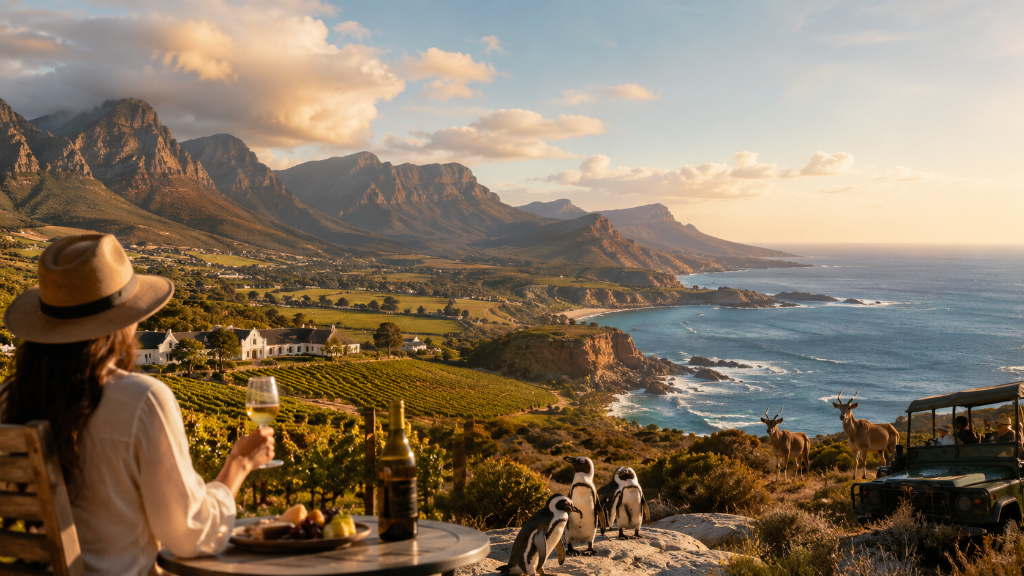
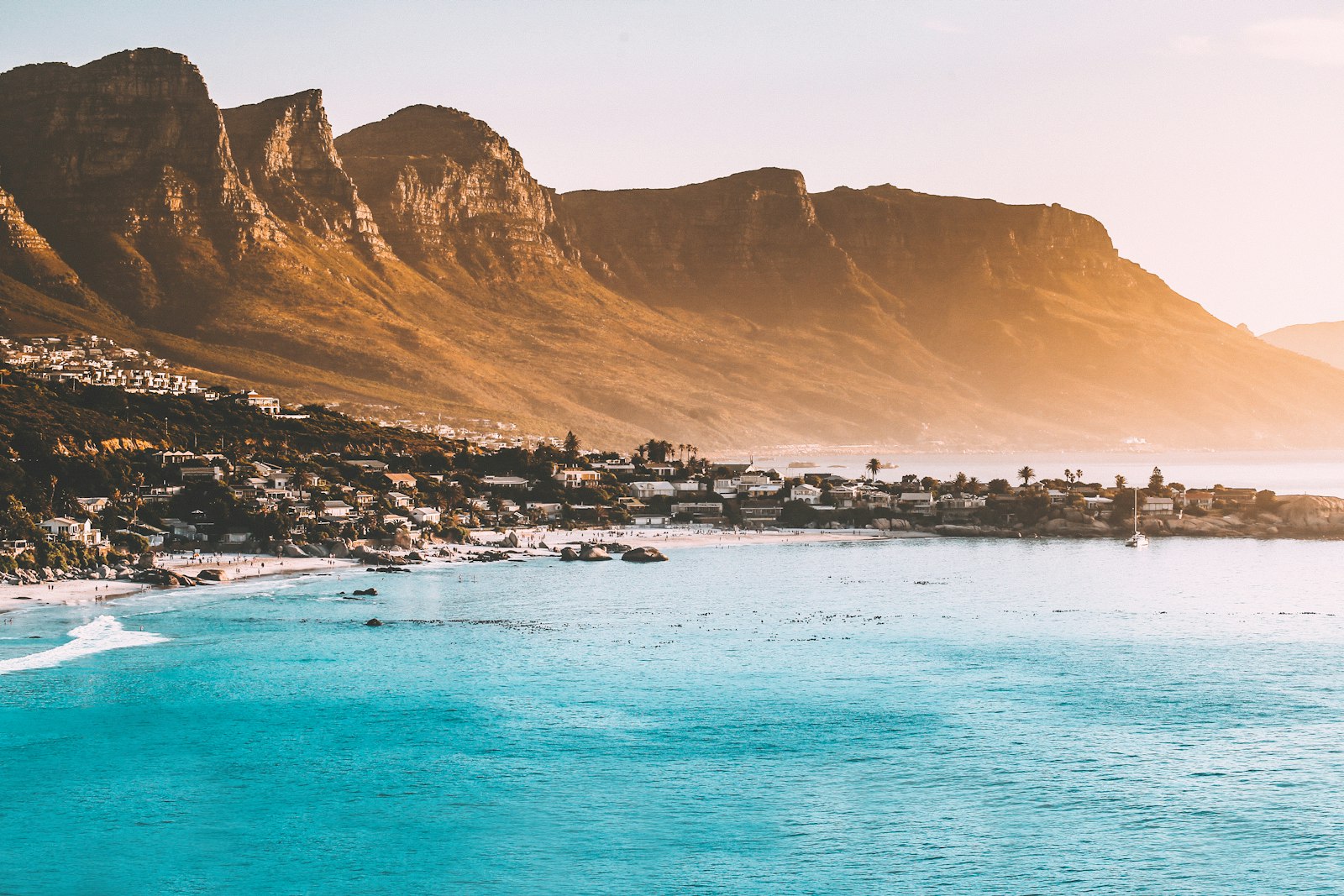
Few Cape Town experiences bring together dramatic Atlantic coastline, endemic wildlife, historic naval towns and mountain scenery in a single day the way a Cape Peninsula journey does. From the beaches of Camps Bay to the cliffs of Cape Point and the African penguins of Boulders, this route captures the spirit of the Cape in one unforgettable full-day experience.
For international couples, families, mature travellers and first-time visitors, the Cape Peninsula day is often the highlight of a South African trip. The question is not whether to do it, but how — by private tour, scheduled group tour or self-drive. If you are planning a longer stay, our 3-day Cape Town itinerary for first-time visitors places this journey in a wider context.
The Quick Answer
A Cape Point and Boulders penguins tour follows the Atlantic Seaboard through Camps Bay and Hout Bay, over Chapman's Peak Drive when open, across to Cape Point and the Cape of Good Hope, then back through Simon's Town and Boulders Penguin Colony. Most travellers choose between three options:
- Private tour — hotel collection, personal guide, route flexibility and a slower pace. Explore private tours.
- Scheduled group tour — lower per-person cost, shared vehicle, fixed timetable. See shared group tours.
- Self-drive — independence, but you handle navigation, parking, timing and road conditions.
A private tour is the most comfortable and flexible option. A group tour suits budget-conscious travellers. Self-driving suits confident drivers who enjoy planning. For a detailed breakdown of what a private tour costs, see How Much Does a Private Cape Town Tour Cost in 2026?.
Private Tour vs Group Tour vs Self-Drive
| Private Tour | Scheduled Group Tour | Self-Drive | |
|---|---|---|---|
| Best for | Couples, families, mature travellers | Budget-conscious solo travellers | Independent, confident drivers |
| Main advantage | Personal guide, hotel collection, flexibility | Lower per-person cost | Complete independence |
| Main drawback | Higher cost than a shared tour | Fixed timetable, less control | Planning, navigation, fatigue |
| Hotel collection | Included from your accommodation | Central meeting point or select hotels | You drive yourself |
| Flexibility | High — pace and stops adapt to you | Low — fixed route and schedule | Moderate — park hours and parking apply |
| Guiding | Dedicated registered guide | Driver-guide for the group | None |
| Route planning | Handled by your guide | Pre-set | You plan and navigate |
| Wildlife experience | Guide times the visit for quieter periods | Arrives on group schedule | You time it yourself |
| Planning burden | Minimal — Donovan handles it | Minimal — follow the group | High — route, parking, tickets, timing |
Can Cape Point and Boulders Be Visited in One Day?
Yes. Cape Point and Boulders Penguin Colony can comfortably be visited in one day on a well-planned Cape Peninsula route. A typical full-day journey lasts eight to ten hours including stops, allowing time for Chapman's Peak Drive, Cape Point, the Cape of Good Hope, lunch and the penguin colony.
The key is sequencing the route to avoid backtracking and timing the penguin colony for a quieter period when possible. A private guide handles this naturally; self-drivers need to plan carefully.
A Realistic Cape Peninsula Route
A well-paced Cape Peninsula day might follow this sequence:
- Camps Bay — a brief stop along the Atlantic Seaboard for photographs and the beachfront view.
- Hout Bay — a working harbour with optional craft market browsing.
- Chapman's Peak Drive — one of the world's most spectacular coastal drives, when open. The road is periodically closed for maintenance or due to rockfall risk, so its status must be checked on the day.
- Noordhoek — a long beach and rural scenery on the way south.
- Cape Point — the lighthouse area at the southern tip of the Cape Peninsula, with dramatic cliffs and ocean views.
- Cape of Good Hope — the iconic rocky promontory, a short drive or walk from Cape Point.
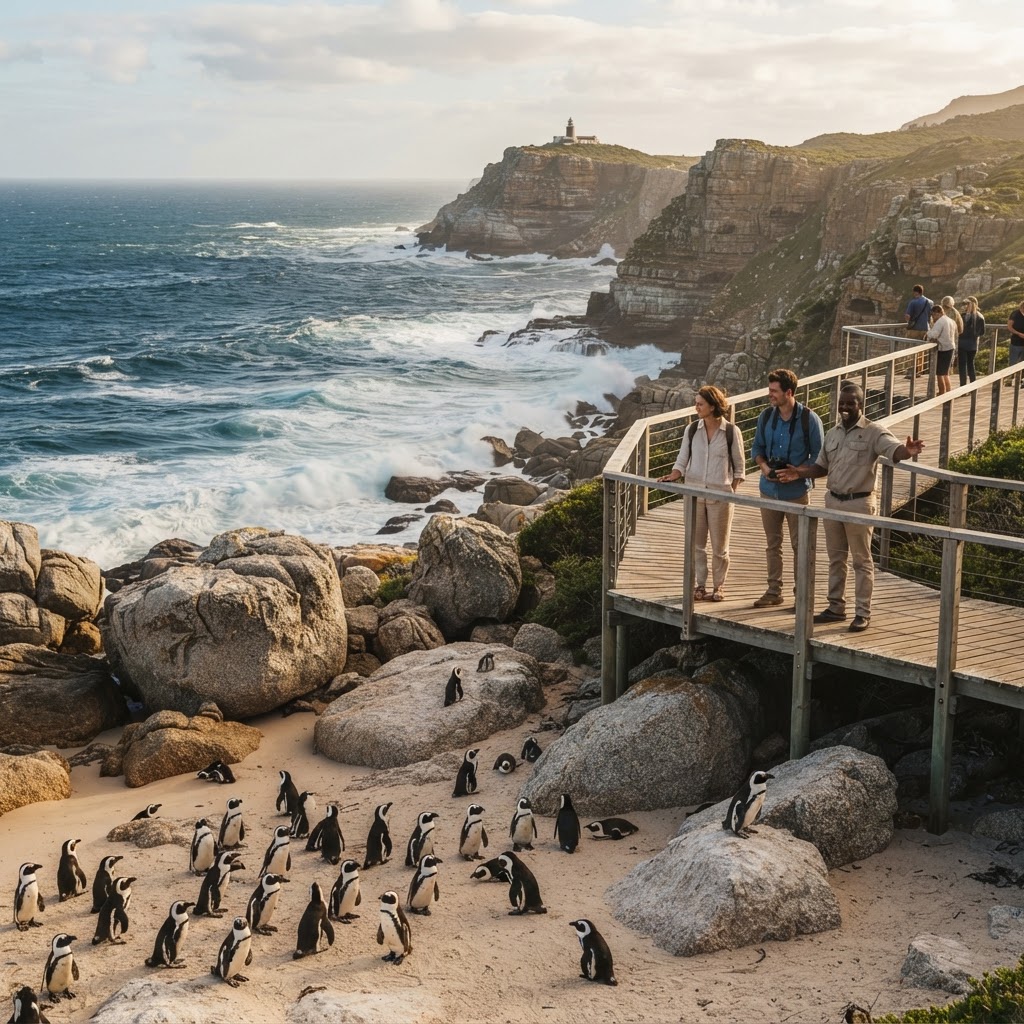
- Boulders Penguin Colony — the boardwalk viewing area for African penguins in Simon's Town.
- Simon's Town — a historic naval town with a charming main street.
- Kalk Bay or Muizenberg (optional) — added if time and energy allow.
The route can be driven in either direction. Your guide will factor in weather, crowds, light and road conditions on the day. No route is guaranteed — conditions may require changes.
Cape Point vs Cape of Good Hope
Cape Point and the Cape of Good Hope are often confused, but they are distinct locations within the same section of Table Mountain National Park.
Cape Point is the eastern promontory where the historic lighthouse stands, offering panoramic cliff-top views. The Cape of Good Hope is the westernmost point of the Cape Peninsula, a rugged rocky headland a short drive or walk from Cape Point. Both are worth visiting.
It is a common misconception that the Atlantic and Indian Oceans officially meet at Cape Point. The generally recognised meeting point of the two major ocean currents is further east at Cape Agulhas, which is the southernmost tip of Africa. Cape Point remains one of the most dramatic coastal viewpoints on the continent.
Boulders Beach vs Foxy Beach
The Boulders Penguin Colony has two main boardwalk viewing areas:
- Boulders Beach — penguins can often be seen on the sand and among the granite boulders.
- Foxy Beach — typically offers closer views of penguins nesting and waddling near the boardwalk.
Both areas are accessed via elevated boardwalks designed to protect the penguins and their habitat. Boardwalk etiquette: stay on designated boardwalks at all times, keep voices low, avoid sudden movements, and never use flash photography near the penguins.
Wildlife sightings and animal behaviour cannot be guaranteed. Penguins are wild animals and their presence, activity and numbers vary by season, time of day and environmental conditions.
African Penguin Conservation
The African penguin is classified as critically endangered by the IUCN and international conservation authorities. The population has declined dramatically over recent decades due to historical egg harvesting, guano removal, oil spills, overfishing and climate-related changes to fish stocks.
Visitors play an important role in conservation by following these rules:
- Stay on designated routes and boardwalks at all times.
- Never feed or touch the penguins — human contact causes stress and can transmit disease.
- Maintain a respectful distance and allow penguins to move freely.
- Follow all ranger instructions and signage without exception.
- Take all litter with you and avoid leaving any waste in the protected area.
Private Cape Point Tour: Benefits
A private Cape Point tour with Along the Shaws offers several advantages:
- Personal registered guide — Donovan personally guides and coordinates your confirmed private Cape Peninsula journey.
- Hotel collection — you are collected from your accommodation and returned at the end of the day.
- Route flexibility — stops can be added, shortened or skipped based on your interests and the conditions on the day.
- Slower pace — ideal for photography, families with children, or travellers who prefer not to rush.
- Timing assistance — your guide plans the sequence to avoid the busiest periods where possible.
- Mobility support — the route can be adapted for guests with walking considerations or mobility needs.
- Weather and road adjustments — if Chapman's Peak is closed or wind makes Cape Point unpleasant, the route can be adapted in real time.
Check your dates for a personally reviewed plan, or arrange private transport if you need a driver for part of your journey.
Cape Peninsula Planning
Planning Your Cape Peninsula Day?
Let Donovan shape the route around your accommodation, preferred pace, mobility needs and the conditions on the day.
Scheduled Group Tours: Benefits and Trade-Offs
A scheduled group tour is the most affordable way to visit Cape Point and Boulders penguins. The main benefits are:
- Lower per-person cost — the vehicle and guide costs are shared across the group.
- Social experience — a chance to meet other travellers.
- Minimal planning — the operator sets the route and timetable.
The trade-offs are equally clear:
- Fixed timetable — you cannot linger at a viewpoint or skip a stop that doesn't interest you.
- Shared vehicle — less privacy and less room for personal conversation with the guide.
- Less control — the group moves together, and individual preferences are secondary.
- Hotel collection — may be limited to select hotels or a central meeting point.
Group tours suit budget-conscious solo travellers and those who don't mind a structured schedule. View shared group tours.
Self-Drive: Benefits and Trade-Offs
Self-driving the Cape Peninsula offers complete independence. The benefits include:
- Freedom — stop where you want, for as long as you want.
- Cost control — you pay for fuel and park entrance fees, not a guide.
- Privacy — your vehicle, your schedule.
The trade-offs require honest assessment:
- Driving on the left — South Africa drives on the left. Visitors from right-hand-drive countries need confidence.
- Navigation — the route is straightforward but requires attention, especially in peak traffic.
- Parking — Cape Point and Boulders can be busy, and parking may involve a walk.
- Fatigue — a full day of driving, walking and sightseeing is tiring.
- Route planning — you must check Chapman's Peak status, park hours and penguin colony timings yourself.
- No drinking and driving — South Africa's blood alcohol limit is strict. If you plan to enjoy wine at lunch, a designated driver or guided tour is the safer choice.
- Road and park conditions — roadworks, closures and weather can affect the route. You must monitor conditions yourself.
Self-driving is a good option for confident drivers who enjoy planning. For others, a private tour or shared group tour removes the stress.
Weather, Road Closures and Attraction Dependencies
The Cape Peninsula is a wind-exposed, coastal environment. Conditions can change quickly:
- Wind — Cape Point is notoriously windy. Strong wind can make the lighthouse walk unpleasant or closed.
- Visibility — fog and mist can reduce visibility at coastal viewpoints.
- Chapman's Peak Drive — this toll road is periodically closed for maintenance or due to rockfall risk. Check the official Chapman's Peak Drive website before travelling.
- Attraction operating dependencies — the Cape Point funicular, lighthouse area, or boardwalk sections may be closed for maintenance, weather or conservation reasons.
No departure, route or wildlife sighting is guaranteed. Routes and stops may change based on conditions on the day. A private guide can adapt the itinerary in real time; self-drivers need to monitor conditions themselves. For broader Cape Town safety guidance, see Is Cape Town Safe for Tourists in 2026?.
Walking, Accessibility and Suitability for Mature Travellers
The Cape Peninsula route involves varying levels of walking:
- Cape Point lighthouse — reached by a steep path or the Flying Dutchman funicular. The funicular is recommended for guests with mobility considerations.
- Cape of Good Hope — a short walk from the nearest parking area, over uneven rocky ground in places.
- Boulders boardwalk — elevated wooden boardwalks with gentle gradients, generally accessible.
- Simon's Town — flat main street, easy walking.
For mature travellers or guests with mobility considerations, a private tour is ideal because the pace, stops and route can be adapted. Rest stops can be built in, and the guide can assist with timing to avoid the steepest or busiest periods.
What to Pack
- Layers — Cape Town weather can change during the day.
- Windproof jacket — essential for Cape Point.
- Sun protection — hat, sunglasses and sunscreen.
- Water — stay hydrated, especially in summer.
- Comfortable walking shoes — with grip for rocky paths.
- Camera — the scenery is spectacular.
- Charged phone — for photos and navigation.
- Necessary medication — carry any personal medication with you.
What to Send Donovan for a Quotation
To receive a personally reviewed quotation, send Donovan the following:
- Travel date — your preferred date for the Cape Peninsula day.
- Collection address — your hotel or accommodation in Cape Town.
- Passenger count — number of adults and children.
- Ages of children — for child-seat and pricing purposes.
- Child-seat needs — if infants or young children are travelling.
- Mobility requirements — any walking considerations or accessibility needs.
- Preferred pace — relaxed, moderate or active.
- Any existing tickets — if you have already purchased park or attraction entry.
Contact Donovan or check your dates to begin.
Sources
Recommended Reading



Personally Guided
Experience the Cape Peninsula, Personally Guided
Send your travel date, collection location, passenger count and any special requirements for a personalised quotation.
About the author

Reviewed by Nuno Da Costa
Language Guide
Nuno brings specialist Spanish, Portuguese and English language expertise to selected journeys, helping guests communicate with ease, connect more deeply with local people, and fully immerse themselves in the culture and experiences of each destination.
Learn more about Donovan →